

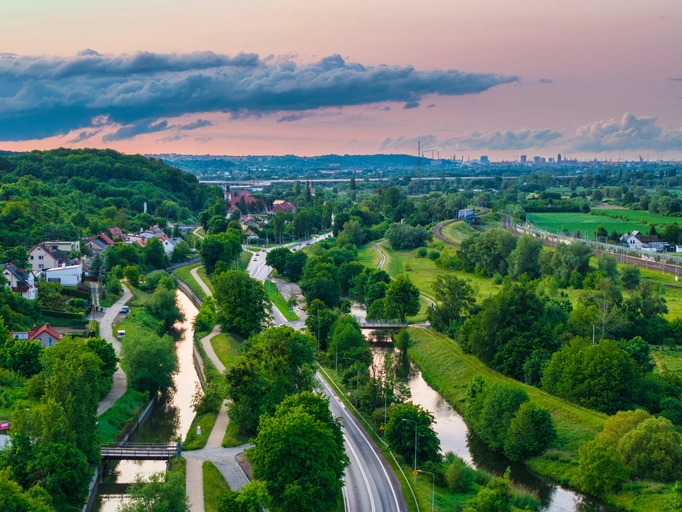
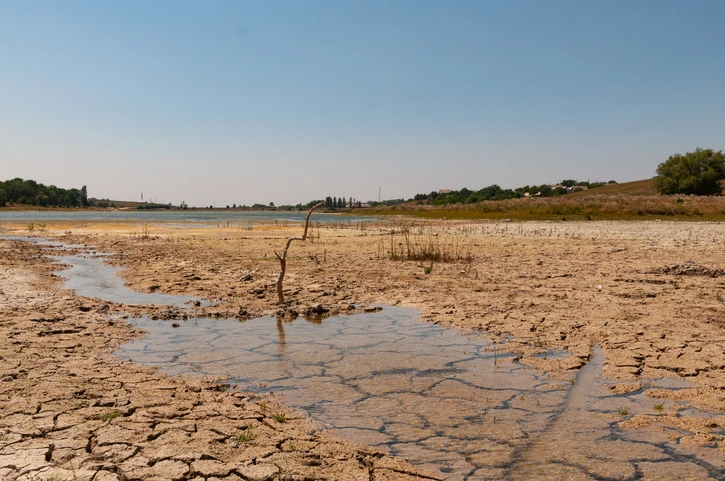
As global temperatures continue to rise, climate change impacts – such as extreme heat, sea-level rise, and droughts – are becoming increasingly severe and widespread. Communities around the world have been adapting to climate change through gradual improvements, a strategy known as incremental adaptation. For instance, coastal areas may raise the height of their seawalls each year to deal with rising tides, and farmers improve their irrigation systems to coping with increasingly prolonged dry seasons. However, these efforts only provide temporary relief; as climate hazards continue to intensify. As result, many climate risks remain unresolved, creating residual risks[1]. In some cases, communities or ecosystems may reach adaptation limits[2], a point where no further adaptation actions can help to prevent serious harm or loss. This reality raises an important question: what should we do when incremental adaptation is no longer sufficient to protect communities, ecosystems, and economies from the intensifying impacts of climate change?
Understanding Transformational Adaptation
The term “transformational adaptation” first appeared in the IPCC’s 2012 Special Report on Managing the Risks of Extreme Events and Disasters to Advance Climate Adaptation. Since then, transformational adaptation has been recognized for providing solutions that incremental approaches cannot, such as safely relocating vulnerable communities or redesigning entire sectors to withstand long-term climate pressures.
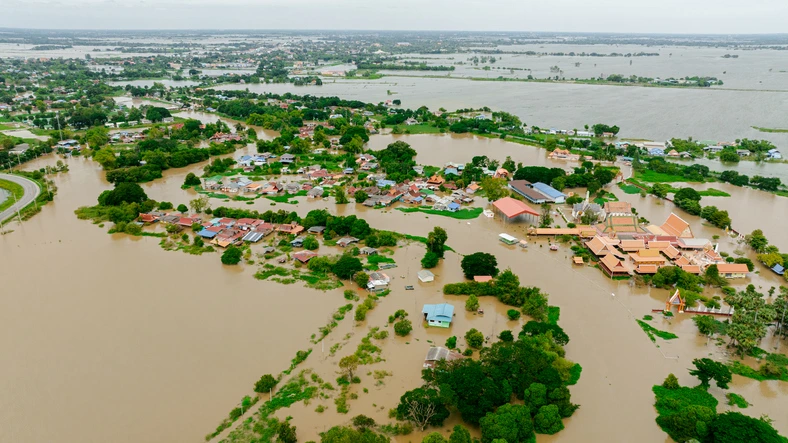
Unlike incremental adaptation, which focuses on adjustments within existing practices, transformational adaptation requires deeper, more structural changes. One of the examples happens in many small island regions, where rising sea levels are making the entire areas become increasingly uninhabitable. In such situations, reinforcing existing defences is no longer sufficient. In Indonesia, the relocation of households affected by the recent chronic coastal flooding in Demak, reflects the need for deeper systemic adaptation.
Adapting to climate change may therefore need to be more profound, involving systemic changes, fundamental shifts in social, economic, or ecological systems to ensure long-term resilience. As defined by the UNFCCC (2025), transformational adaptation is “adaptation that changes the fundamental attributes of a system in anticipation of climate change and its impacts.” In other words, when incremental actions fall short, transformational adaptation becomes mandatory. Transformational adaptation helps societies prepare not only for today’s risks but also for what is coming in the next decades.
Implementing Transformational Adaptation
The key change to implement transformational adaptation across sectors is moving beyond adjustments toward restructuring systems, institutions, and even power relations. In agriculture, this transformation can be seen in the shift from chemical-intensive monocultures to regenerative farming systems. Regenerative farming systems rebuild soil health, support biodiversity, and redefine the roles and knowledge of farmers (UNFCCC, 2025). It is not just a new farming technique; it reshapes the values and goals that determine how food is produced.
Water management provides another clear example, namely the transition to circular water systems, replacing the traditional “take, use, and discard” approach. Circular water systems keep water circulating within communities by collecting rainwater, reusing greywater from sinks or showers for gardening, or treating wastewater for agricultural or industrial use. Some cities even design buildings and neighbourhoods where water is recycled multiple times before it leaves the system. This approach is not just about saving water; it also changes the whole governance and infrastructure of how water resources are managed.
Ecosystem-based approaches also demonstrate transformational adaptation. Restoring coastal wetlands to act as natural protective barriers against storms can reduce or replace the need for constructing seawalls, while relocating vulnerable species to safer habitats reshapes ecological boundaries and functions (UNFCCC, 2025). These actions redesign entire landscapes and conservation practices in response to changing environmental conditions.
Beyond ecosystem management, transformational change in urban and community systems is visible through integrated climate-resilient planning, where public health, green infrastructure, and city design collaborate to mitigate climate risks. In more extreme cases, such as coastal communities facing unavoidable sea-level rise, transformational adaptation may require relocating entire communities to safer areas. At its core, these examples highlight how transformational adaptation extends beyond incremental improvements. and instead reconfigures entire systems, enabling communities to better withstand climate risks.
Why Transformational Adaptation Matters
In reality, implementing transformational adaptation faces numerous constraints that limit effective planning and implementation. These challenges stem from social and cultural norms, political resistance, limited financial resources, and institutional barriers that hinder participation or delay the decision-making process. Major transitions such as relocating communities or restructuring entire industries, may benefit some groups while disadvantaging others, especially when vulnerable groups are not meaningfully included in the process. Some Parties have emphasized that without stronger commitments to fair and just transitions, transformational adaptation may unintentionally reinforce existing inequalities (UNFCCC, 2024).
Because of these risks, justice and inclusion are essential pillars of transformational adaptation. Ensuring that decisions are made together with communities rather than for them, helps to distribute the costs and benefits equitably and prevents maladaptation[3] which increases vulnerability (UNFCCC, 2025). Addressing these challenges also requires long-term commitment and coordination across multiple actors—including governments, the private sector, civil society, and local communities—supported by governance systems that enable profound and lasting change. As climate risks intensify, transformational adaptation becomes not only urgent but also inevitable.
The IPCC (2022) emphasizes that incremental actions alone will not be enough to protect lives and livelihoods in the coming decades. To build a resilient future, societies must reconsider and redesign the systems that increase vulnerability to climate change, including how cities are designed and developed, as well as how food and energy are produced. This shift offers an opportunity to redesign societies that are more resilient, just, inclusive, and sustainable.
Sources:
- https://www.ipcc.ch/report/ar6/wg2/downloads/report/IPCC_AR6_WGII_SummaryVolume.pdf
- https://unfccc.int/sites/default/files/resource/TA%20Summary%20Final.pdf
- https://unfccc.int/sites/default/files/resource/FINAL_IPCCContribution_GGA_5thWorkshop_IPCC.pdf
[1] The risk related to climate change impacts that remains following adaptation and mitigation efforts (UNFCCC, 2025).
[2] The point at which an actor’s objectives (or system needs) cannot be secured from intolerable climate change risks (UNFCCC, 2025).
[3] Maladaptation refers to actions or strategies that are intended to reduce vulnerability to climate impacts but ultimately increase it or create new risks.

